
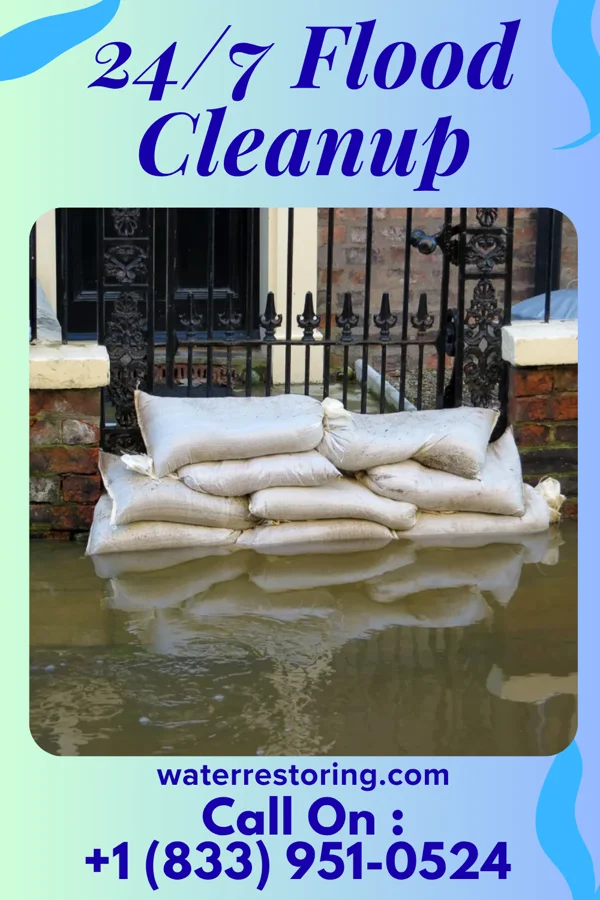
Why Clark's Point Floods Need 24/7 Response
Most water damage emergencies in Clark's Point start with permafrost thaw and snowmelt flooding. A close second is ice dam formation and glacial runoff. From the second water touches the property, every minute changes what gets saved and what gets ripped out.
Clark's Point experiences significant flood risk due to its proximity to Portage Creek and the thawing of permafrost in the subarctic climate. The region's heavy snowfall and sudden spring melt contribute to rapid flooding in low-lying areas.
Most 24/7 flood cleanup calls in Clark's Point come from permafrost thaw and snowmelt flooding. Running a close second is ice dam formation and glacial runoff. Local mold risk: Mold can develop quickly in Clark's Point homes after flooding due to high humidity and cool temperatures. Immediate drying and dehumidification are critical to prevent long-term structural damage and health risks.
For public guidance on the health effects of mold after prolonged water exposure, see the EPA mold and health page.